
Key Takeaways
What It Is: A deep tissue massage is a targeted therapeutic technique designed to release chronic muscle tension, knots, and adhesions in the deeper layers of your muscles and fascia.
The Goal: Its primary purpose is to alleviate persistent pain, improve mobility, and address issues from old injuries or postural stress. It is a treatment, not just a relaxation method.
Safety First: Your health is paramount. Always choose a Verified Clinic staffed with Board Certified therapists. Never compromise on qualifications for a lower price.
Why Turkey is Affordable: The exceptional value you find in Turkey is due to lower operational and labor costs and supportive government incentives for health tourism—not a reduction in quality.
The "All-Inclusive" Advantage: Many top clinics offer All-Inclusive packages, which often include your treatment, VIP transfers, and stays in 5-star hotels for a completely stress-free experience.
Your Essential Guide to Deep Tissue Massage in Turkey
Considering a deep tissue massage in Turkey? It’s far more than just a firm-pressure massage. It's a highly targeted therapy designed to address the deep-seated knots and chronic tension that can build up from stress, old injuries, or poor posture.
As medical tourism consultants at Turkey Beauty Guide, our role is to provide you with honest, authoritative information. We understand that planning a medical trip abroad can feel complex, so think of us as your trusted doctor friend, here to guide you with your safety as our top priority.

Turkey has established itself as a leading destination for wellness travel, boasting state-of-the-art facilities and highly trained professionals. Many clinics operate under the strict regulations of the Turkish Ministry of Health and may be affiliated with JCI-accredited hospitals, ensuring a standard of care that meets and often exceeds global benchmarks.
This guide will walk you through everything, from what a deep tissue massage actually is to how you can confidently vet a provider and understand the costs. We believe in total transparency to help you make informed decisions for your well-being.
What Is Deep Tissue Massage and How Does It Work?
A deep tissue massage is a specific therapeutic technique focused on the deeper layers of your muscle and fascia—the connective tissue that envelops every muscle in your body. It is less about general relaxation and more about targeted treatment for stubborn pain and stiffness.
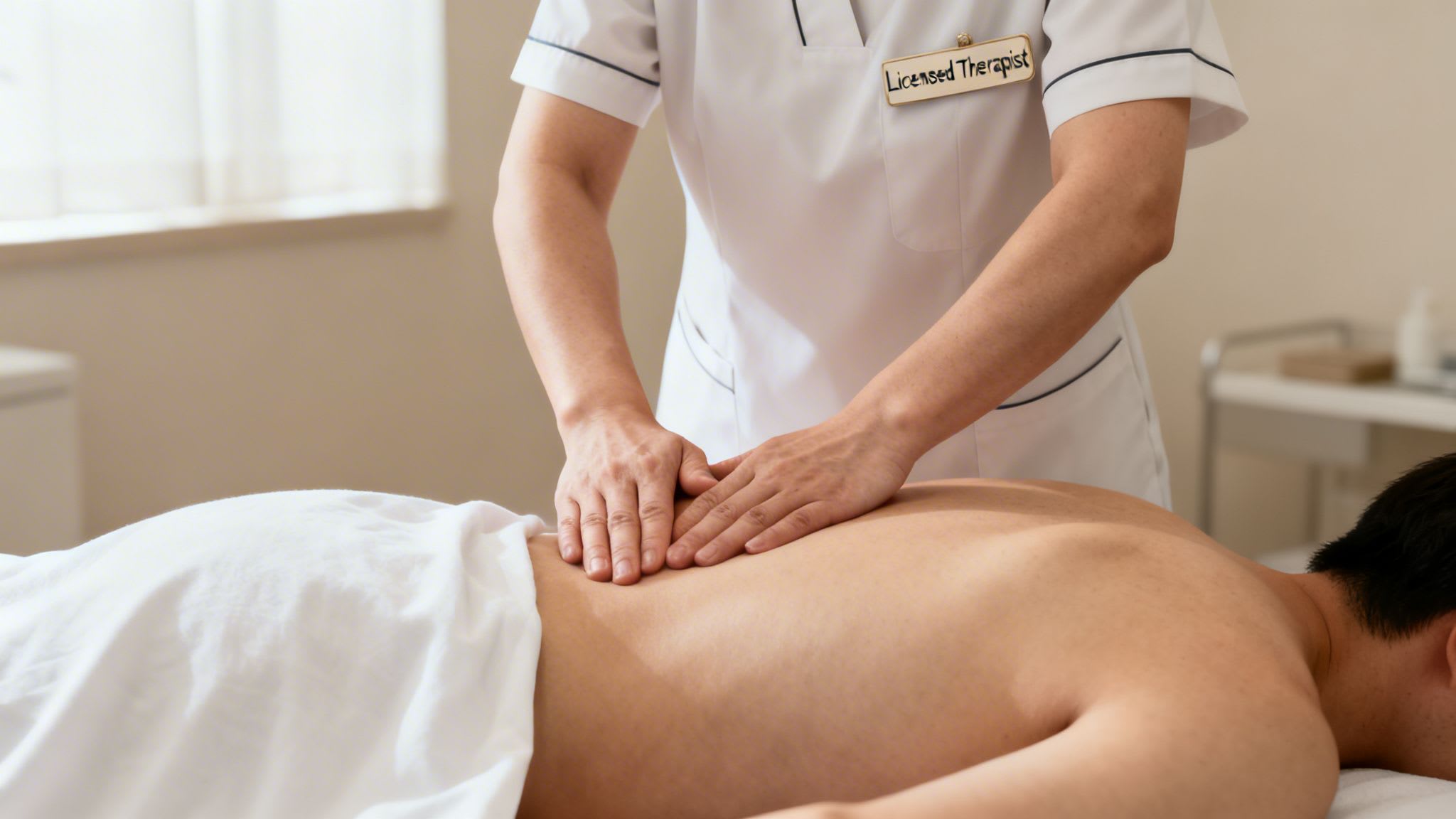
A Board Certified therapist will use slow, deliberate strokes and sustained, direct pressure. This focused effort is often applied
across the grain of the muscles, a key factor that distinguishes it from other massage styles.The Purpose Behind the Pressure
The primary goal of this intensity is to break down adhesions. These are essentially painful, rigid bands of tissue—what many call "knots"—that can form in muscles, tendons, and ligaments after an injury or due to chronic tension.
These knots can disrupt circulation, cause nagging pain, and limit your range of motion. By manually breaking them down, the massage helps restore normal muscle function and provides lasting relief. While the pressure is firm, a session with a skilled therapist should feel therapeutically intense, not sharply painful.
Common Techniques Used in Deep Tissue Massage
To reach these deeper layers, therapists use a range of specialized techniques that require a deep understanding of human anatomy. This is why choosing a therapist from a Verified Clinic is so important.
Your session may include a combination of the following:
Friction: Pressure applied across the grain of a muscle to break down adhesions and realign tissue fibers.
Trigger Point Therapy: Sustained, direct pressure on specific tender spots (the knots) to release tension and alleviate pain.
The global market for therapeutic massage is growing, indicating a shift towards effective, drug-free pain management solutions. You can explore a full report about these market trends for more details to understand this trend better.
The Benefits and What to Watch Out For
To make an informed decision about getting a deep tissue massage, you need a balanced view of both the benefits and potential considerations. This therapy can be transformative for chronic pain, but it's not a one-size-fits-all solution.
The Real-World Benefits of Deep Tissue Massage
A deep tissue session is about creating a functional change in your body. Patients consistently report several key benefits.
Relief from Chronic Pain: This is the most significant benefit. It is highly effective for persistent back and neck pain caused by desk work, postural stress, or old injuries by releasing tight muscle adhesions.
Improved Mobility: When scar tissue and tension restrict your muscles, movement becomes difficult. Deep tissue massage helps lengthen and release these tissues, restoring flexibility.
Reduced Inflammation: The firm pressure improves circulation, delivering more oxygen and nutrients to sore areas, which helps calm inflammation that often contributes to pain.
Breaking Down Scar Tissue: After an injury, scar tissue can limit mobility. Deep tissue techniques can help break down these old adhesions, improving function in the affected area.
Is This Treatment Right for You?
This focused therapy is ideal if you struggle with chronic muscle pain, stubborn tension, or are an active individual managing muscle strain. Its effectiveness is widely recognized, and research about massage therapy utilization shows pain relief is a primary reason people seek this treatment.
A Realistic Look at the Risks and Side Effects
It is normal to feel some soreness for a day or two after your session, similar to what you might feel after an intense workout. However, real risks arise when a massage is performed by an untrained individual, which can lead to bruising or prolonged pain.
This is why we stress the importance of choosing a Verified Clinic with certified professionals. A Board Certified therapist has the anatomical knowledge to apply pressure that is both effective and safe.
When You Should Talk to Your Doctor First
Deep tissue massage is not suitable for everyone. It is crucial to consult your doctor before booking an appointment if you have any of the following conditions:
A history of blood clots (e.g., deep vein thrombosis)
Recent surgery, chemotherapy, or radiation
Osteoporosis
Skin conditions or open wounds in the treatment area
Pregnancy (a specialized prenatal massage may be a better option)
Comparing Deep Tissue with Other Massage Types
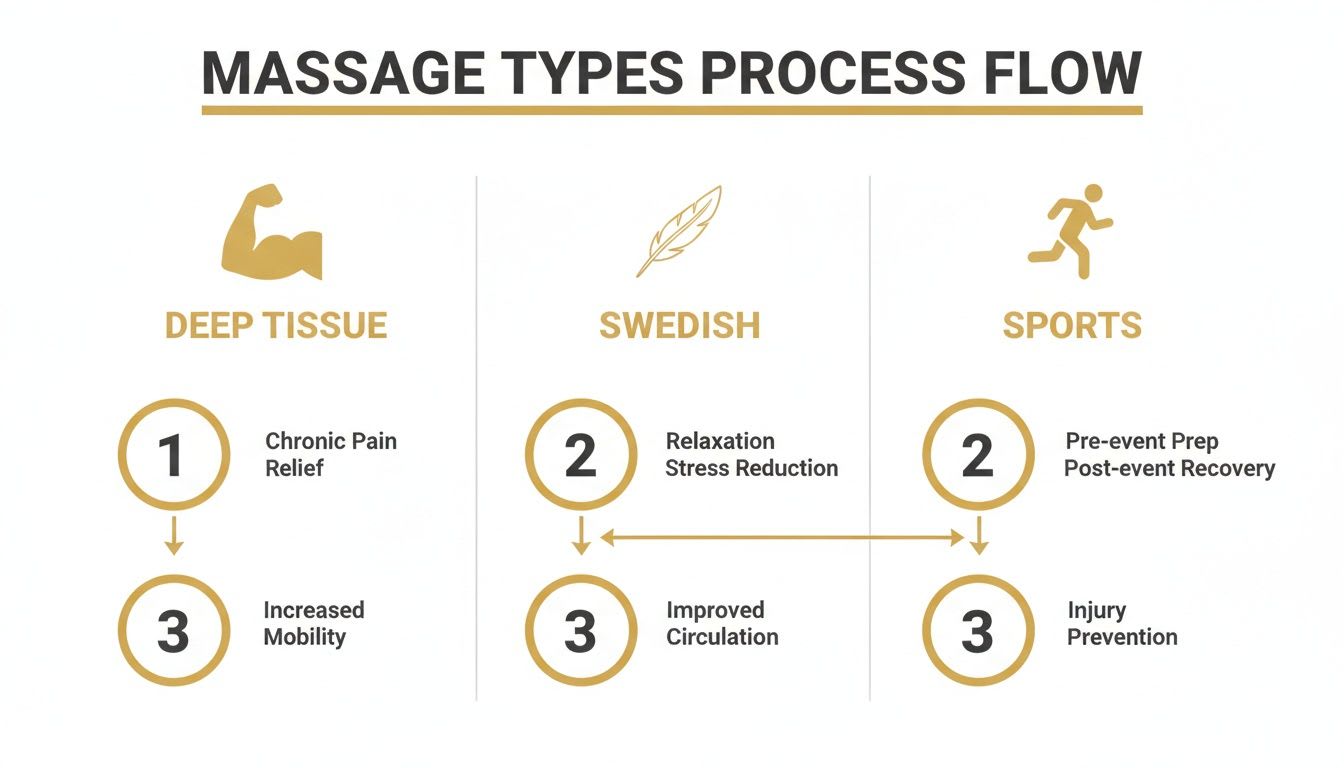
Choosing the right massage can feel overwhelming. Understanding the differences between deep tissue massage, Swedish massage, and sports massage helps you select the one that truly meets your needs.
Deep Tissue Versus Swedish Massage
The most common comparison is between deep tissue and Swedish massage. A Swedish massage is designed for relaxation and stress relief, using long, flowing strokes and gentle kneading on the outer muscle layers.
In contrast, a deep tissue massage is a therapeutic treatment aimed at resolving chronic pain. It uses intense, targeted pressure to reach the deeper layers of muscle and connective tissue.
Deep Tissue Versus Sports Massage
A sports massage is specifically tailored for athletes. It is used to prepare muscles for an event, aid in post-event recovery, or address sports-related injuries.
While it often incorporates deep pressure techniques similar to a deep tissue massage, its focus is always on athletic performance and rehabilitation. A deep tissue massage has a broader application for chronic pain that may not be sports-related, such as postural strain.
If you're interested in learning more about other available therapies, you can explore our comprehensive guide on other popular treatments.
Which Massage Is Right for You?
The best choice depends entirely on your goals. If you need to unwind, a Swedish massage is perfect. If you're dealing with deep, persistent pain, a deep tissue massage will be far more effective. For athletes, a sports massage is the clear choice.
A true professional at a Verified Clinic will always start with a consultation to understand your needs and adjust the pressure accordingly, ensuring the treatment is both effective and comfortable.
How to Find a Verified Therapist in Turkey
Choosing the right therapist is the most critical step in your wellness journey. Your safety and the effectiveness of your deep tissue massage depend on this decision.
The absolute priority is to select Verified Clinics that adhere to high standards of quality and safety. This is an investment in your health, and proper vetting is essential.
Your Safety Checklist for Choosing a Provider
Think of this process like vetting a medical specialist. Here is what you need to confirm before booking.
- Therapist Certifications: Always ask for proof of credentials. A qualified therapist should hold recognized certifications in massage therapy, with specific training in deep tissue techniques.
- Clinic Accreditation: Look for wellness centers affiliated with JCI-Accredited Hospitals. This is a strong indicator of a commitment to international patient care and safety standards.
- Ministry of Health Registration: The clinic must be officially registered with the Turkish Ministry of Health (Sağlık Bakanlığı), ensuring it operates legally and complies with national regulations.
- Verified Patient Reviews: Seek out reviews from other international patients on trusted platforms to get an honest look at the patient experience.
A professional clinic will always conduct a thorough health intake before your session, asking detailed questions about your medical history and goals. This is a clear sign of a responsible, patient-focused practice.
Understanding Costs and All-Inclusive Packages
One of the first questions on anyone's mind is cost. We are committed to price transparency so you can plan your wellness trip with confidence.
The affordability of top-tier treatments in Turkey is not due to lower quality. Instead, it is a result of the country's economic structure, including lower labor costs and operational expenses, along with government incentives that support health tourism.
Typical Price Ranges in Turkey
As a general guideline, a 60-minute deep tissue massage in a major city like Istanbul or Antalya typically costs between €50 and €90.
This is an estimate, and prices can vary based on the clinic's reputation and the therapist's expertise. Always confirm the final cost with your chosen provider to ensure there are no surprises.
The Value of an All-Inclusive Package
For international visitors, many top wellness centers offer All-Inclusive Packages to create a seamless and relaxing experience. These bundles provide excellent value and handle all the logistics for you.
A typical package often includes:
VIP Transfers: Private transport from the airport to your hotel and appointments.
Premium Accommodation: A stay in a carefully selected 4- or 5-star hotel.
Translator Services: An interpreter to ensure clear communication with your therapist.
This comprehensive approach allows you to focus solely on your well-being. To see an example of what a premium provider offers, you can look at a top-rated facility like Bella N Spa & Wellness in Bodrum.
Your Top Questions About Deep Tissue Massage, Answered
It's natural to have questions when considering a new treatment abroad. Here are straightforward answers to some of the most common queries we receive about deep tissue massage in Turkey.
Is Deep Tissue Massage Supposed to Hurt?
You should expect to feel intense pressure and some discomfort, but you should never feel sharp pain. It's important to distinguish between therapeutic discomfort—a "good pain" that feels productive—and "bad pain," which is anything sharp or shooting.
Communication is key. A Board Certified therapist will know how to work within your comfort zone, but you must speak up if the pressure becomes too much. A professional will always welcome your feedback and adjust their technique.
How Often Should I Get a Deep Tissue Massage?
The ideal frequency depends on your goals. For chronic pain, your therapist might initially recommend sessions once every 1-2 weeks. For general maintenance, a monthly session may be sufficient to keep tension at bay.
Your therapist will provide a personalized recommendation after your first session based on their assessment of your needs.
What Should I Do After My Session?
Post-session care is just as important as the massage itself. It's normal to feel some soreness for a day or two. Stay Hydrated: Drink plenty of water to help flush out metabolic waste released from your muscles.
Rest: Avoid strenuous activity for at least 24 hours to allow your muscles time to recover.
Take a Warm Bath: Soaking in a warm bath, perhaps with Epsom salts, can help soothe any lingering soreness.
Can I Combine This with Other Treatments?
Yes, but timing is crucial. Many Verified Clinics in Turkey offer a range of services and can help you create a comprehensive wellness plan.
However, you must discuss any combined treatments with your primary doctor or surgeon to ensure safety and proper scheduling. For example, you should not schedule a deep tissue massage immediately before or after surgery without medical clearance.
Your health always comes first. To begin planning your wellness journey, we encourage you to Search for verified doctors or Check VIP Packages on Turkey Beauty Guide.
This article is for informational purposes only and does not replace professional medical advice.